
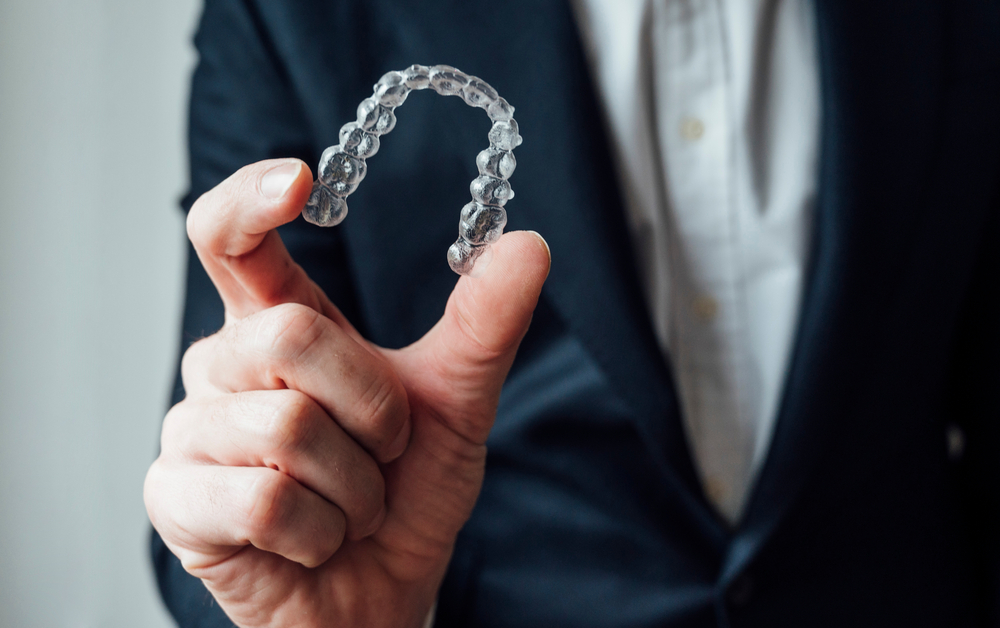
Clear aligners for adults can work well, but they need healthy gums and steady daily wear. Adult jaws also move teeth more slowly than teen jaws, so the plan looks different from a teenager’s. A few health checks come first, long before the first tray arrives.
Many adults wonder how treatment differs in an adult mouth and what has to happen first. Gum health, jaw comfort, and daily wear time matter most. You will also see how the process works from the first scan to the final retainer. Each topic gets its own section below.
Key Takeaways
- Aligners are removable plastic trays planned from digital scans, unlike fixed metal, ceramic, or lingual braces.
- Adult jaws have stopped growing, so teeth move more slowly and plans account for that.
- Gum disease and tooth decay need treatment first, and jaw pain deserves a mention before you start.
- Wearing trays most of the day drives results, and skipped hours extend treatment time.
- A consultation reviews your own clinical details before you commit to any plan.
How Custom-Made Aligners Differ From Metal Braces, Ceramic Braces, and Lingual Braces
Custom-made aligners are removable orthodontic appliances made from polyurethane resin. Each set of plastic trays starts with digital scans, which feed a digital simulation of every stage. A dental professional uses that simulation to build your treatment plan before any trays exist.
How Each Option Attaches to Your Teeth
Choosing between these options depends on your bite, goals, and habits. The main difference is how each option attaches to your teeth:
- Metal braces: brackets bond to the tooth surface, and your dentist adjusts the wires at each appointment.
- Ceramic braces: the same design, but with tooth-colored ceramic brackets.
- Lingual braces: brackets sit on the back of the teeth.
- Self-ligating braces: a built-in clip holds the wire instead of elastic ties.
- Aligners: removable trays that you switch on a set schedule.
All of those fixed options stay in your mouth between appointments.
Aligners don’t.
You remove trays to eat, brush, and floss. That helps adults who dislike food limits or struggle to clean around hardware.
Where Aligners Fit and Where They Fall Short
Many adults want discreet treatment that fits a busy schedule. Clear trays blend in at work and on camera. Many pick them over clear braces for comfort and appearance.
Treatment goals shape the choice. Some adults want only minor spacing fixes, while others need a full bite correction.
Aligners commonly address:
- Crowded teeth
- Spacing issues
- Many bite problems
Ask your provider which of these apply to you, since every case differs.
Aligners still have limits, though. Severe jaw misalignment or complex bite issues may need brackets and wires instead.
Why Adult Jaws Change the Clinical Picture
Adult jaws have stopped growing, and bone density is higher in adults than in adolescents. According to a review in the International Journal of Oral Science, adults exhibit slower orthodontic tooth movement.
Movement is still possible, but it can be more limited. An adult plan accounts for that from the start.
Slower movement does not mean poor results. It means a realistic timeline and steady follow-up. Your provider tracks how bone and teeth respond at each check-up. Honest expectations at the start prevent frustration later.
Your dentist reviews your bite, jaw shape, and dental history first. That review shows whether aligners fit or whether another approach serves you better.
Gum Disease, Jaw Pain, and Oral Hygiene: What Adults Must Address Before Teeth Straightening
Teeth straightening starts with a health check, not trays. A dental professional confirms there is no active tooth decay or gum disease before orthodontic treatment begins. Starting with either condition can make both worse. Some patients need a deep teeth cleaning or other periodontal care before aligners go on.
What a Dental Health Check Covers
A typical health check looks for:
- Active tooth decay
- Gum disease and plaque buildup
- Bite issues and jaw shape
- Jaw joint concerns
Treating those items first protects your gums and keeps the plan on track.
Gum Health During Aligner Treatment
A narrative review published in Cureus notes that adult patients with periodontitis increasingly request clear aligner therapy. Providers now often coordinate periodontal and orthodontic care at the same time. Moving teeth through inflamed gums adds stress, so dentists treat inflammation first.
Research suggests aligners and fixed braces have a similar effect on gum health, so neither option is automatically safer for gum concerns.
Daily oral hygiene matters more than the type of appliance you wear. Plaque buildup inflames gums whether you wear aligners or brackets.
Trays need cleaning too, since plaque can build up on them. Brush with fluoride toothpaste, clean between teeth, and keep regular dental check-ups. These habits lower the risk of dental misalignment complications and periodontal disease progression.
Patients with a gum disease history often need more frequent check-ups. Dental anatomy and jaw shape also change how gum tissue responds to tooth movement. That is why evaluation comes before trays.
Jaw Pain and the Jaw Joint: A Concern Worth Raising
Jaw pain is a specific concern for adults in this age group. The National Institute of Dental and Craniofacial Research reports these disorders are twice as common in women. Rates run highest in women between 35 and 44 years old.
Temporomandibular disorders affect the jaw joint and the muscles that move the jaw. Symptoms to watch for include:
- Jaw pain
- Painful clicking or popping
- Limited range of motion
- Discomfort in the mouth tissues around the joint
Clicking without pain is common, so pain and limited movement matter more. Orthodontic treatment does not cause or fix these conditions on its own. Jaw misalignment and bite issues may overlap with joint problems, so your dentist needs the full picture.
Jaw clenching and teeth grinding can add to tooth sensitivity and strain systemic health. Stress management helps.
Tell your dental professional about any jaw pain or jaw joint discomfort before treatment begins. Those details shape your treatment plan and may call for a referral first.
Bring a list of symptoms, such as when pain occurs and what makes it worse.
Treatment Time, Treatment Compliance, and 3D Imaging Technology: What the Process Looks Like
The consultation is where the process takes shape. Many providers use 3D imaging technology to capture digital scans and 3D images of your teeth and jaw. A digital simulation then shows how teeth should move.
You see the projected result before the lab produces your custom-made aligners. The 3D images also help your provider spot problems before treatment starts.
The Process From Consultation to Retainer
Here is how the process usually runs:
- Consultation and exam
- Digital scans and 3D images
- Digital simulation and treatment plan
- A series of trays that you switch on your provider’s schedule
- Follow-up check-ups
- Retention with a retainer
Each step builds on the one before it, so ask questions early.
How Wear Time Drives Results
Each tray moves your teeth a small amount. Treatment compliance is the biggest factor in whether results match the simulation.
In the Journal of Clinical Medicine, one cohort study set daily wear at a minimum of 22 h per day. Many providers recommend 20 to 22 hours of wear.
Aligners only work while they sit on your teeth. Dropping that mark below slows tooth movement. Teeth can fall behind the plan, which extends treatment duration.
Three habits help you stay on track:
- Remove trays only to eat, drink anything but water, brush, and floss.
- Keep a case in your bag so trays never end up in a napkin.
- Switch to the next set on the day your provider names.
How Long Treatment Takes and What It Costs
Treatment time depends on the case. Mild crowding or spacing may resolve in several months, while significant bite problems or jaw misalignment take longer. Ask how many trays your plan includes and how often you will switch them.
Dental insurance often covers some of the expense, though dental insurance plans vary. Review your coverage before your appointment so you know what is included. Costs vary by case, so ask for a written estimate before you start.
What to Expect During and After Treatment
Follow-up check-ups confirm that teeth track as planned. If a tray fits poorly or teeth lag, your provider adjusts the plan. Bring questions to each check-up, and tell your provider if a tray feels loose.
Some cases need tooth extraction before treatment starts, which creates space for proper alignment.
After active treatment ends, expect two things:
- Retention: most patients wear a night retainer, which holds teeth in place long after the last tray.
- Speech: a lisp is common for a week or two while mouth tissues adjust, then it fades.
Cosmetic dentistry services sometimes follow once alignment finishes.
Considering Clear Aligners for adults? Check These Three Things First
Clear aligners for adults work best when the right conditions come first. Gum health needs to stay stable, jaw joint concerns need a voice, and wear time needs to stay consistent.
A health check and 3D scans come before any tray, so your plan fits your mouth. Slower adult tooth movement also means a realistic timeline from day one.
Those conditions are not obstacles. They separate treatment that delivers results from treatment that stalls. Patient education about these details makes the difference.
If you are unsure whether aligners suit your teeth, btyDental can review your clinical details. Bring your dental history and your questions to the first visit. Schedule an aligner consultation with our team today!
FAQs
How do clear aligners work for adults?
Aligners apply gentle pressure through a series of custom-made trays, each moving teeth a small amount toward the planned position. Adults follow the same basic process as younger patients. Plans account for denser bone and conditions like gum disease or prior tooth decay.
Are there orthodontic issues aligners cannot treat?
Yes. Aligners work well for mild to moderate crowding, spacing, and many bite problems. Severe jaw misalignment, significant bite issues, or cases needing surgical correction may require fixed appliances or a combined approach. A dental professional decides which option fits after reviewing your bite.
Does the American Association of Orthodontists have guidance on adult treatment?
The American Association of Orthodontists recognizes adult orthodontic treatment as effective and increasingly common. Adults now make up a significant share of orthodontic patients. Start with a consultation, where a qualified provider checks your dental anatomy and health history.
How does wearing aligners affect daily life?
Most patients adjust within the first week or two. A temporary speech lisp is common early on. You remove aligners to eat and drink anything other than water, which keeps oral hygiene straightforward. Keep up with dental check-ups and dental hygiene routines throughout treatment.
What happens if I don't wear my aligners enough hours each day?
Teeth move based on consistent pressure. Skipping wear hours is the most common reason treatment takes longer than planned. If you wear aligners fewer hours than recommended, teeth may miss the next tray. That can mean extra trays or plan changes.
