
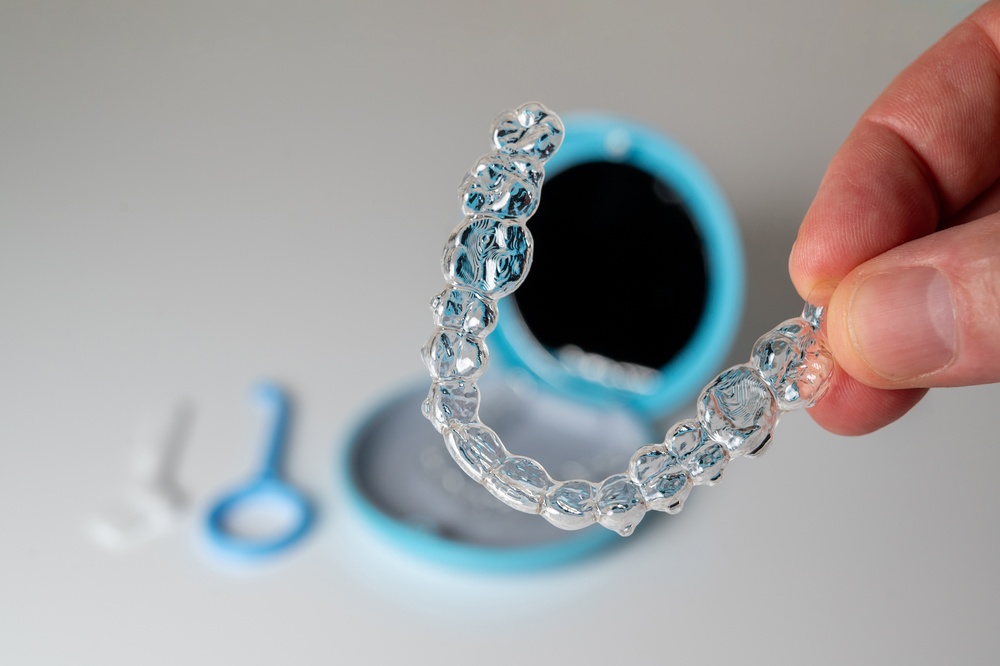
Clear aligner treatment runs through four phases: scan, planning, active wear, and retention. Your first visit gathers records and a 3D scan, then software maps each tooth movement. A lab builds your trays, you wear each set in order, and a retainer protects the final result.
Each phase depends on the one before it, so skipping a step affects everything that follows. Many people picture a simple swap for braces, but the process follows a set order. Case complexity, bite issues, and daily habits shape how long each phase lasts.
Knowing each phase helps you ask better questions and set realistic expectations before you start. This guide walks through every step, from your first scan to your final retainer.
Key Takeaways
- Your first visit gathers your dental history, exam findings, and a 3D scan to plan every tray.
- Case complexity, crowded teeth, and add-ons like IPR set how many trays you need and how long treatment lasts.
- Daily cleaning protects your gums, and a retainer after your last tray keeps teeth from drifting back.
- Each phase builds on the last, so knowing the sequence helps you ask better questions at your consultation.
- The FAQs answer common questions, from treatment length to what happens after your final tray.
Is Your First Appointment More Than a Meet-and-Greet? What Really Happens
Your first appointment sets the foundation for everything that follows. The initial consultation is more than a meet-and-greet.
What Your Provider Reviews First
Your provider reviews your dental history, runs an oral exam, and checks your bite and alignment before any scanning starts.
Dental X-rays and photos may join those records, depending on your case. This visit also lets you share your goals and concerns.
That information decides whether you are a good candidate. It also shows whether crowded teeth or bite issues need extra steps in your custom treatment plan. Your provider checks gum health as well, because healthy gums matter before any tooth movement starts.
How the 3D Scan Works
After the exam, your provider takes a 3D scan with an intraoral scanner. The scanner moves along your teeth and gums, capturing images from several angles in a few minutes. Many scanners show your teeth on a screen as they work, so your provider can spot gaps right away.
The result is a precise digital record of your mouth, not a rough mold. Those digital impressions feed directly into the next stage.
Your 3D models support digital planning, aligner fabrication, and lab communication. A systematic review in Saudi Dental Journal found that digital scanning is sufficiently accurate for treatment planning and aligner fabrication.
Does the 3D scan replace traditional impressions?
Yes. In most orthodontic cases, a 3D digital scan replaces putty molds and sends an anatomical model straight to the lab.
Practices use several scanning systems, and each one captures your teeth with a small handheld wand. Common examples include:
- The iTero intraoral scanner, which many aligner providers use for digital impressions.
- The TRIOS digital scanning system, another widely used option for 3D imaging.
- A quicker, cleaner visit, with no material in your mouth and no mold to set.
The same review called scanners simple to use, with a learning curve for the operator. Your provider can rescan any area right away if an image looks incomplete.
Once your scan finishes, your provider has what they need to build your smile transformation plan. From there, the work shifts to planning and fabrication.
Why do some smiles finish in 6 months while others take 18?
Once your 3D models are ready, your provider uses software to map a custom treatment plan and aligner sequence. Treatment planning combines your scan, photos, and bite records into one digital plan.
What Drives Your Treatment Duration
The software shows where each tooth should sit at every stage. That projection sets how many trays you need and how long treatment runs.
Case complexity is the main driver of treatment duration. Crowded teeth, bite issues, spacing problems, and rotation all change the total number of aligner sets. Each tooth moves in small steps, which is why larger changes need more trays.
Mild cases may finish in around six months, while involved orthodontic cases can stretch toward 18.
Many providers walk you through the projected results before fabrication begins. That conversation is a good time to ask about timing, wear schedules, and costs.
Attachments and IPR: What are they?
Two additions come up often during planning.
- Attachments are small tooth-colored shapes that your provider bonds to specific teeth. They help trays apply force at the right angle.
- IPR, or interproximal reduction, removes a thin layer of enamel between teeth to create room for movement.
Both are common parts of a clear aligner system, and your provider builds them into your plan before fabrication begins. Not every movement responds equally well, though.
Research in the Journal of Dentistry reports that attachments and IPR were widely used, but their effectiveness was inconsistent. The same paper found that incisors and molars tend to track the plan better than canines or premolars.
How Aligners Actually Move Teeth
After your plan is final, it goes to a fabrication facility, such as Invisalign labs or a similar manufacturer. Each tray in your custom aligner sequence differs slightly from the last. You switch to the next tray on the schedule your provider sets.
Wearing each set applies gentle forces that trigger ligament and bone remodeling. That biological process physically moves your teeth over time.
Soft-tissue forces and ligament memory also shape how teeth respond. Steady wear helps remodeling keep pace with the plan.
Progress Visits and Refinements
Progress visits keep every phase on track.
- Progress visits run at regular intervals so your provider can confirm each phase is on schedule.
- Some practices use the Dental Monitoring app to check alignment improvements between appointments.
- Rubber bands may join your plan to correct bite issues the trays cannot fix alone.
- Refinement trays can fine-tune any movement that did not track as planned.
Once active wear is on track, daily cleaning and retention protect what you have gained.
The Step Most People Skip: Can your new smile really shift back?
Wearing aligner trays changes your daily oral hygiene routine in one key way. The trays cover your teeth for most of the day, which traps food and bacteria without careful cleaning.
A Simple Daily Routine for Healthy Gums
Take your trays out for eating and drinking anything other than water. A simple routine protects your gums:
- Brush after meals before you put your trays back in.
- Clean between teeth with interdental brushes.
- Rinse and clean your trays every day.
- Keep your dental cleaning appointments.
Do aligners protect your gums better than braces?
Aligners do not automatically make gum care easier. An umbrella review in Healthcare concluded that the gum-health impact of aligners and fixed braces should be considered comparable.
Gum disease and plaque buildup threaten anyone who cuts corners on cleaning, whichever appliance they wear.
Why Regular Checkups Still Matter
Regular dental health appointments remain important during active treatment. Those visits let your provider track gum health alongside your alignment improvements. They also catch small problems before those problems affect your results.
Why Retention Is the Step Patients Most Often Underestimate
After your final tray, teeth tend to drift back toward their starting positions. Ligament memory and ongoing bone remodeling both pull in that direction, sometimes within months.
Skipping retention or wearing a retainer on and off puts your results at risk. Soft-tissue forces can keep pushing teeth until nearby structures settle.
Your provider confirms your teeth reached their planned positions before fitting a retainer. Custom-made retainers then hold those positions while the surrounding structures fully stabilize.
Conservative care during retention makes the work of active treatment last. That means wearing your retainer as directed and attending follow-up visits. Think of retention as the final phase of treatment, not an optional extra.
Removable vs. Fixed Retainers
Your provider picks a retainer based on your bite, tooth positions, and case history.
- Removable retainers are custom plastic trays you wear as directed and clean daily.
- A fixed/bonded retainer is a thin wire that your provider bonds behind your front teeth.
- A 2023 update in the Cochrane Database of Systematic Reviews notes that retention can include custom-made fixed or removable retainers.
- Both styles need regular checkups so your provider can catch wear or damage early.
Ask which option fits your bite and daily routine before your final tray.
Is Clear Aligner Treatment Right for You? Ask These Questions First
Clear aligner treatment moves through a set sequence: consultation and 3D scan, planning and fabrication, active wear, and retention. Skipping steps or cutting wear time throws off the phases that come next. Your case complexity, any attachments or IPR, and how steadily you wear your trays all shape your timeline.
At your consultation, ask about treatment duration, dental insurance coverage, and the evaluation process. Bring questions about wear schedules, retainers, and costs so nothing gets missed.
btyDental can also explain how progress visits work and how refinement trays or rubber bands might fit your case. Clear answers turn a big commitment into a plan you can picture.
For answers based on your actual records, schedule an aligner consultation today!
FAQs
How long do clear aligners typically take?
Treatment duration depends on case complexity. Mild cases may finish in around 6 months. Cases with significant crowding, bite issues, or rotation can run up to 18 months or longer. Your provider will give you a specific estimate after reviewing your 3D scan and records.
How often do I need to wear my aligners each day?
Consistent daily wear keeps treatment on schedule. Most aligner systems have you remove trays only to eat, drink anything but water, and clean your teeth. Reducing wear time slows tooth movement and can extend your overall treatment duration. Ask your provider how many hours daily your plan requires.
What are attachments, and will I need them?
Attachments are small tooth-colored shapes that providers bond to specific teeth. They help aligner trays apply force at the right angle for movements the tray alone can’t achieve. Not every patient needs them. Your provider determines during the digital planning phase whether attachments are part of your plan.
What happens if I skip or lose an aligner tray?
Skipping a tray or reducing wear time can slow progress or push your teeth out of the planned sequence. If you lose a tray, contact your provider right away. They’ll tell you whether to move on or wait for a replacement, based on your stage.
How do I know when I'm ready for the retention phase?
Your provider confirms readiness at a progress visit after your final tray. They check that your teeth have reached their planned positions before fitting you for a retainer. Don’t assume treatment has ended just because you’ve worn your last tray without getting that confirmation.
