
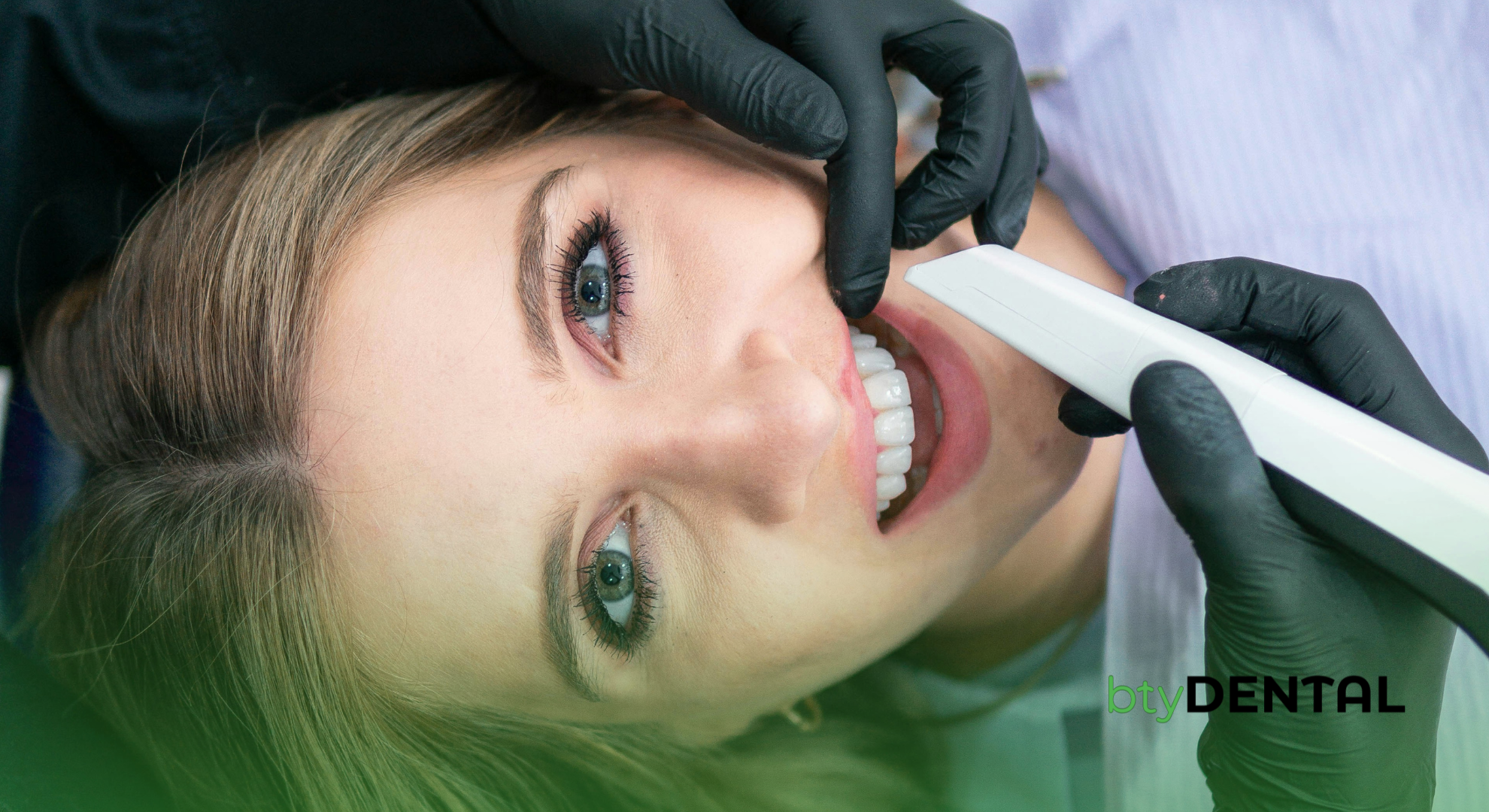
If you’re dealing with chronic jaw pain, waking up with headaches from teeth grinding, or feeling self-conscious about your smile, you’ve probably tried everything to find relief.
Night guards, pain medications, physical therapy. Maybe you’ve even considered surgery. But there’s a treatment option you might not have considered: dental Botox.
More Bellevue residents are discovering that Botox isn’t just for wrinkles. When administered by a trained dentist, it can provide real relief for TMJ disorders, teeth grinding, gummy smiles, and other oral health issues.
Unlike cosmetic Botox at a med spa, dental Botox is a therapeutic treatment that addresses the root cause of your pain and discomfort. In this guide, you’ll learn exactly what dental Botox is, which conditions it treats, what to expect during treatment, how much it costs in Bellevue, and how to find the right provider.
What is Dental Botox?
Dental Botox is the same FDA-approved botulinum toxin used in cosmetic procedures, but it’s administered by a dentist to treat oral health conditions rather than just smooth wrinkles. The treatment works by temporarily relaxing overactive muscles in your face and jaw that cause pain, grinding, and other dental issues.
When you clench your jaw or grind your teeth, certain muscles become hyperactive and create constant tension. Botox blocks the nerve signals that tell these muscles to contract forcefully. This doesn’t paralyze your jaw or affect your ability to chew, speak, or smile naturally. Instead, it reduces excessive muscle activity to a normal, comfortable level.
Your dentist is uniquely qualified to administer this treatment because they have extensive training in oral and maxillofacial anatomy. They understand exactly where each facial nerve, muscle, and blood vessel is located. This expertise allows them to target the precise muscles causing your symptoms while avoiding areas that could affect your normal facial expressions or functions.
The treatment has been used safely for decades. While Botox is best known for cosmetic use, the FDA first approved it for medical purposes in 1989. Today, dentists across the country use it as a first-line treatment for TMJ disorders, bruxism, and other conditions that haven’t responded to traditional therapies.
What Conditions Does Dental Botox Treat?
Dental Botox addresses several oral health and facial concerns that impact your daily life. Here are the most common conditions treated in our Bellevue practice:
TMJ/TMD (Temporomandibular Joint Disorder)
TMJ disorder affects the joint connecting your jaw to your skull, causing pain that can radiate through your entire face. You might experience clicking or popping when you open your mouth, difficulty chewing, or a jaw that locks in place. Some days, the pain might be so severe that even talking becomes uncomfortable.
Botox provides relief by relaxing the masseter and temporalis muscles that put pressure on your TMJ. When these muscles stop working overtime, inflammation decreases and your joint can heal. Most patients notice significant improvement within a week, with full relief developing over the next two weeks.
The best part? Results last three to six months, giving your jaw extended time to recover. Many patients find that combining Botox with physical therapy or other treatments helps them manage their TMJ long-term.
Bruxism (Teeth Grinding & Clenching)
If you wake up with sore teeth, jaw pain, or headaches, you’re likely grinding your teeth at night. Bruxism doesn’t just hurt. It wears down your enamel, cracks your teeth, and can damage previous dental work like crowns and fillings. Over time, you might need extensive restorative work to repair the damage.
Night guards help protect your teeth, but they don’t stop the grinding itself. Your jaw muscles still clench with the same force, creating tension and pain. Botox addresses the problem at its source by reducing the strength of your clenching. You can still chew normally, but those intense grinding episodes stop.
Many patients tell us they sleep better after treatment because they’re not waking up from jaw pain. Their partners also appreciate the quieter nights since teeth grinding can be surprisingly loud.
Gummy Smile Correction
A gummy smile happens when too much of your gum tissue shows above your top teeth when you smile. This occurs because the muscles that lift your upper lip are overactive, pulling it higher than ideal. While there’s nothing medically wrong with a gummy smile, many people feel self-conscious about it.
Botox can subtly relax the muscles that elevate your upper lip, creating a more balanced smile. The result looks completely natural because you’re not changing your teeth or gums. You’re simply allowing your lip to rest at a more flattering position. The treatment takes just a few minutes and lasts about three to four months.
This is one of the most satisfying treatments we offer because the results are immediate and the confidence boost is real. Patients tell us they finally feel comfortable smiling in photos.
Chronic Migraines with Jaw Component
If your migraines seem connected to jaw tension, dental Botox might provide relief. The FDA has approved Botox for chronic migraine treatment, and many patients with TMJ-related headaches experience significant improvement. When we relax the jaw muscles that contribute to tension headaches, the frequency and intensity of migraines often decrease.
The treatment involves injections in several areas of your head and neck, not just your jaw. While results vary, many patients report fewer migraine days per month after consistent treatment.
Facial Slimming (Masseter Reduction)
Some people develop square or wide-looking jaws because their masseter muscles (the main chewing muscles) are enlarged from chronic clenching or genetics. Botox can slim these muscles over time, creating a more oval or heart-shaped face appearance.
This is both a therapeutic and cosmetic treatment. If you’re clenching your jaw constantly, your masseters become bulky like any other muscle you work out. Relaxing them not only reduces their size but also prevents the dental damage that comes from excessive clenching.
What to Expect During Your Dental Botox Treatment in Bellevue
Getting dental Botox is quick and straightforward. Here’s exactly what happens from your first call to your final results:
Initial Consultation
Your first appointment is all about understanding your specific needs. Your dentist will ask about your symptoms, when they started, what you’ve tried before, and how they’re affecting your daily life. Be honest about your pain levels and concerns. This helps create a treatment plan tailored to you.
During the examination, your dentist will feel your jaw muscles, watch how you open and close your mouth, and check for signs of teeth grinding. They might take photos to document your starting point, especially if you’re treating a cosmetic concern like a gummy smile.
This is your chance to ask questions. How many units will you need? How long will results last? What will it cost? A good provider will give you clear, specific answers and never pressure you to move forward before you’re ready.
The Treatment Appointment
On treatment day, your dentist will clean the injection sites and may apply a numbing cream if you’re concerned about discomfort. Most patients don’t need it because the needles are very fine and the injections are quick.
For TMJ or bruxism treatment, you’ll typically receive three to five injections on each side of your face in the masseter and sometimes the temporalis muscles. Your dentist will have you clench your jaw so they can feel exactly where your muscles are most active. This ensures precise placement.
The entire process takes 15 to 30 minutes. You might feel a small pinch with each injection, similar to a mosquito bite. Some patients describe a slight pressure sensation. Within minutes, you’re done.
There’s no downtime. You can drive yourself home, return to work, and go about your normal activities. Your dentist will give you aftercare instructions, which typically include avoiding lying down for a few hours, skipping intense exercise for 24 hours, and not rubbing the injection sites.
Post-Treatment Care and Results
In the first few days after treatment, you won’t notice much change. That’s normal. Botox takes time to work as it gradually blocks the nerve signals to your muscles. Most patients start feeling relief around day three to five, with full effects visible by week two.
You’ll know it’s working when your jaw feels less tense, your grinding episodes decrease, or your gummy smile improves. Some patients describe a sensation of their jaw feeling “lighter” or “more relaxed.” The tightness and fatigue you’ve been carrying melts away.
Results typically last three to six months. As the Botox naturally wears off, your symptoms will gradually return. This is when you’ll schedule your next treatment. Some patients find that their muscles “learn” to relax over time, and they can extend the time between treatments.
Why Choose a Dentist for Botox in Bellevue?
You have options when it comes to getting Botox. Med spas, dermatologists, and plastic surgeons all offer it. But there are compelling reasons to choose a dentist, especially for therapeutic treatments.
Deep Anatomical Expertise
Dentists spend years studying the complex anatomy of your face, head, and neck. They know exactly where every nerve, muscle, bone, and blood vessel is located. This isn’t just theoretical knowledge. They work in this area every single day, performing procedures that require precision and understanding of facial structures.
When it comes to treating TMJ, bruxism, or other jaw-related issues, this expertise is essential. Your dentist can identify exactly which muscles are overactive and target them specifically. They understand how changes in one area affect the entire system.
Medical Setting and Approach
Dental offices are medical facilities held to strict health and safety standards. Your treatment happens in a professional environment with proper sterilization protocols, emergency equipment, and trained staff. This isn’t a retail space or spa. It’s a healthcare setting.
More importantly, dentists approach Botox as a medical treatment, not a cosmetic service. They’re focused on solving your problem, not just making a sale. Your treatment plan is based on your diagnosis and needs, not on maximizing units sold.
Integrated Care
When your dentist provides Botox, it becomes part of your comprehensive oral health plan. They can coordinate it with other treatments you might need, monitor how it affects your dental health over time, and adjust your care as needed. You’re not bouncing between providers who don’t communicate with each other.
If you’re already treating TMJ with a night guard or if you need dental work done, your dentist can time everything appropriately. They can also identify if Botox is truly the best option or if another treatment might work better for you.
Convenience
Having one provider for multiple oral health needs saves you time and simplifies your care. You’re already coming to the dentist for checkups and cleanings. Adding Botox to that visit takes just a few extra minutes. You don’t need to find a separate provider, schedule another appointment, or fill out new patient paperwork.
How Much Does Dental Botox Cost in Bellevue?
Understanding the cost of dental Botox helps you plan and make informed decisions. Pricing in Bellevue varies based on several factors, but here’s what you can expect:
Average Pricing
Dental Botox is typically priced per unit, with each unit costing between $10 and $20 in the Bellevue area. The total cost depends on how many units you need, which varies by treatment area and the severity of your condition.
TMJ/Bruxism Treatment: Most patients need 20 to 50 units per side, making the total cost $300 to $800 for treatment of both sides. Severe cases might require more units initially.
Gummy Smile Correction: This usually requires 2 to 8 units, costing $100 to $300 per treatment.
Comprehensive Treatment: If you’re treating multiple areas or have severe symptoms, your total cost might range from $400 to $1,000 per session.
These are estimates. Your exact cost depends on your specific needs, which your dentist will determine during your consultation.
Factors Affecting Cost
Several factors influence how much you’ll pay:
Provider Experience: Dentists with extensive Botox training and years of experience may charge slightly more, but their expertise often means better results and fewer units needed overall.
Number of Units: Larger or more overactive muscles require more units. Your dentist can estimate this during your consultation.
Treatment Areas: Treating just one concern costs less than addressing multiple issues in one session.
Geographic Location: Bellevue has a higher cost of living than many areas, which is reflected in medical and dental pricing. However, you’re also getting access to highly skilled providers in a competitive market.
Insurance Coverage
Here’s the most important question: will your insurance cover dental Botox? Sometimes, yes.
If you have a diagnosed TMJ disorder or severe bruxism that’s causing dental damage, your medical insurance (not dental insurance) might cover Botox as a medical necessity. This requires documentation from your dentist showing that conservative treatments have failed and that Botox is medically necessary.
Your dentist will need to submit detailed records, diagnostic codes, and potentially photos of dental damage. Even with documentation, approval isn’t guaranteed. Each insurance company has different policies, and many still consider Botox experimental for TMJ despite growing evidence of its effectiveness.
Cosmetic treatments like gummy smile correction are never covered by insurance since they’re elective.
FSA and HSA: If you have a flexible spending account or health savings account, you can typically use these funds for dental Botox when it’s treating a medical condition. Keep your receipts and documentation.
Payment Options
Most dental practices offer several ways to make treatment affordable:
Payment Plans: Many offices offer in-house payment plans that let you spread the cost over several months without interest.
Financing: Third-party financing companies like CareCredit offer longer-term payment options with various interest rates and terms.
Package Deals: Some practices offer discounts if you prepay for multiple treatments or if you’re a regular patient.
Membership Plans: If the practice has a membership program, you might get discounted rates on Botox and other services.
Don’t let cost prevent you from asking about treatment. Many patients find that the relief from chronic pain is worth the investment, especially when compared to the cost of ongoing pain management or potential dental damage from untreated grinding.
Frequently Asked Questions About Dental Botox in Bellevue
How long does dental Botox last?
Results typically last three to six months. The exact duration varies by person and depends on factors like your metabolism, the strength of your muscles, and how many units you received. Most patients schedule follow-up treatments every three to four months to maintain consistent relief.
Does dental Botox hurt?
Most patients describe the sensation as a quick pinch or pressure. The needles are very fine, and the injections take just seconds. If you’re nervous about discomfort, your dentist can apply numbing cream beforehand, though most people don’t find this necessary.
When will I see results from dental Botox?
You’ll start noticing changes within three to seven days, with full effects visible by two weeks. For pain relief, some patients feel improvement within just a few days. For cosmetic concerns like gummy smile, you’ll see the full result once the muscles have fully relaxed.
Can I combine dental Botox with other treatments?
Yes. Many patients use Botox alongside night guards, physical therapy, or other dental treatments. Your dentist will coordinate these approaches to give you the best possible outcome. Some patients find that combining treatments allows them to reduce how often they need Botox.
What’s the difference between dental and cosmetic Botox?
The product is the same, but the purpose and placement differ. Dental Botox treats medical conditions affecting your oral health, jaw function, and facial pain. Cosmetic Botox smooths wrinkles and fine lines. Dentists focus on therapeutic applications and have specialized knowledge of the muscles involved in chewing, clenching, and jaw movement.
Will my insurance cover dental Botox?
It depends. Medical insurance may cover Botox for diagnosed TMJ disorder or severe bruxism if conservative treatments have failed and your dentist documents medical necessity. Dental insurance typically doesn’t cover Botox. Cosmetic treatments are never covered. Check with your insurance company and your dentist can help with documentation if needed.
How often do I need dental Botox treatments?
Most patients need treatments every three to six months to maintain results. After your first treatment, your dentist will assess how long your results last and recommend an optimal schedule. Some patients find that over time, they can extend the interval between treatments.
Can I still chew normally after dental Botox?
Absolutely. Botox reduces excessive muscle contraction but doesn’t eliminate normal function. You can eat, chew, speak, and smile naturally. The treatment targets hyperactivity, not your ability to use your jaw for everyday activities.
What if I don’t like the results?
Botox is temporary, so any effects you don’t like will fade within a few months. However, most concerns can be addressed sooner. If results are asymmetrical or not quite right, your dentist can make adjustments at a follow-up appointment. Touch-ups or additional units can refine your outcome.
Is there an age limit for dental Botox?
There’s no strict age limit, but Botox is typically only appropriate for adults. If you’re over 18 and have a condition that warrants treatment, you’re likely a candidate. Your dentist will evaluate you individually.
Can I get dental Botox while pregnant or breastfeeding?
No. The safety of Botox during pregnancy and breastfeeding hasn’t been adequately studied, so it’s not recommended. If you’re trying to conceive, pregnant, or nursing, you should postpone treatment until later.
Will Botox change my facial expressions?
When placed correctly by an experienced provider, Botox shouldn’t affect your natural expressions. You’ll still smile, laugh, and move your face normally. The goal is to reduce excessive muscle activity, not freeze your face. Overly tight or expressionless results come from poor technique or too much product.
How do I prepare for dental Botox treatment?
There’s minimal preparation needed. Avoid blood-thinning medications and supplements like aspirin, ibuprofen, fish oil, and vitamin E for a few days before treatment if possible, as these can increase bruising. Arrive with a clean face (no makeup in the treatment area). Otherwise, just come as you are.
What should I avoid after dental Botox?
For the first 24 hours, avoid lying down for at least four hours after treatment, intense exercise or activities that increase blood flow to your face, rubbing or massaging the injection sites, and drinking alcohol. These precautions help prevent the Botox from migrating to unintended areas.
Is dental Botox FDA approved?
Botox itself is FDA approved for several medical and cosmetic uses, including chronic migraine and cosmetic facial wrinkles. While the FDA hasn’t specifically approved Botox for TMJ or bruxism, dentists can legally use it “off-label” for these conditions. Off-label use is common in medicine and means using an approved drug for a purpose other than what’s listed on the label.
Can dental Botox help with my migraines?
If your migraines are related to jaw tension or TMJ, dental Botox might help. The FDA has approved Botox for chronic migraine treatment. Many patients who have both TMJ and headaches find that treating their jaw muscles reduces their migraine frequency and intensity.
What if I have dental work scheduled?
Let your dentist know about any upcoming dental procedures. In most cases, you can still proceed with Botox, but timing matters. Major dental work might be scheduled before or after your Botox treatment depending on what’s involved. Your dentist will coordinate the timing to ensure optimal results for both treatments.
Is the Botox you use the same as what’s used for wrinkles?
Yes. Allergan Botox is the same FDA-approved product used for both medical and cosmetic purposes. There’s no such thing as “medical Botox” versus “cosmetic Botox.” The difference is in how it’s used, where it’s injected, and the expertise of the provider.
Take the Next Step Toward Relief
If you’ve been living with jaw pain, grinding your teeth, or feeling self-conscious about your smile, dental Botox might be the solution you’ve been searching for. Thousands of patients in Bellevue have found relief through this safe, effective treatment.
The best way to know if dental Botox is right for you is to schedule a consultation. Your dentist will examine you, discuss your symptoms and goals, and create a customized treatment plan. You’ll get clear answers about what to expect, how much it will cost, and whether this treatment can help you.
You don’t have to keep living with pain or discomfort. Relief is possible, and it might be simpler than you think. Schedule an appointment today and we’ll get you smiling better than yesterday!
