
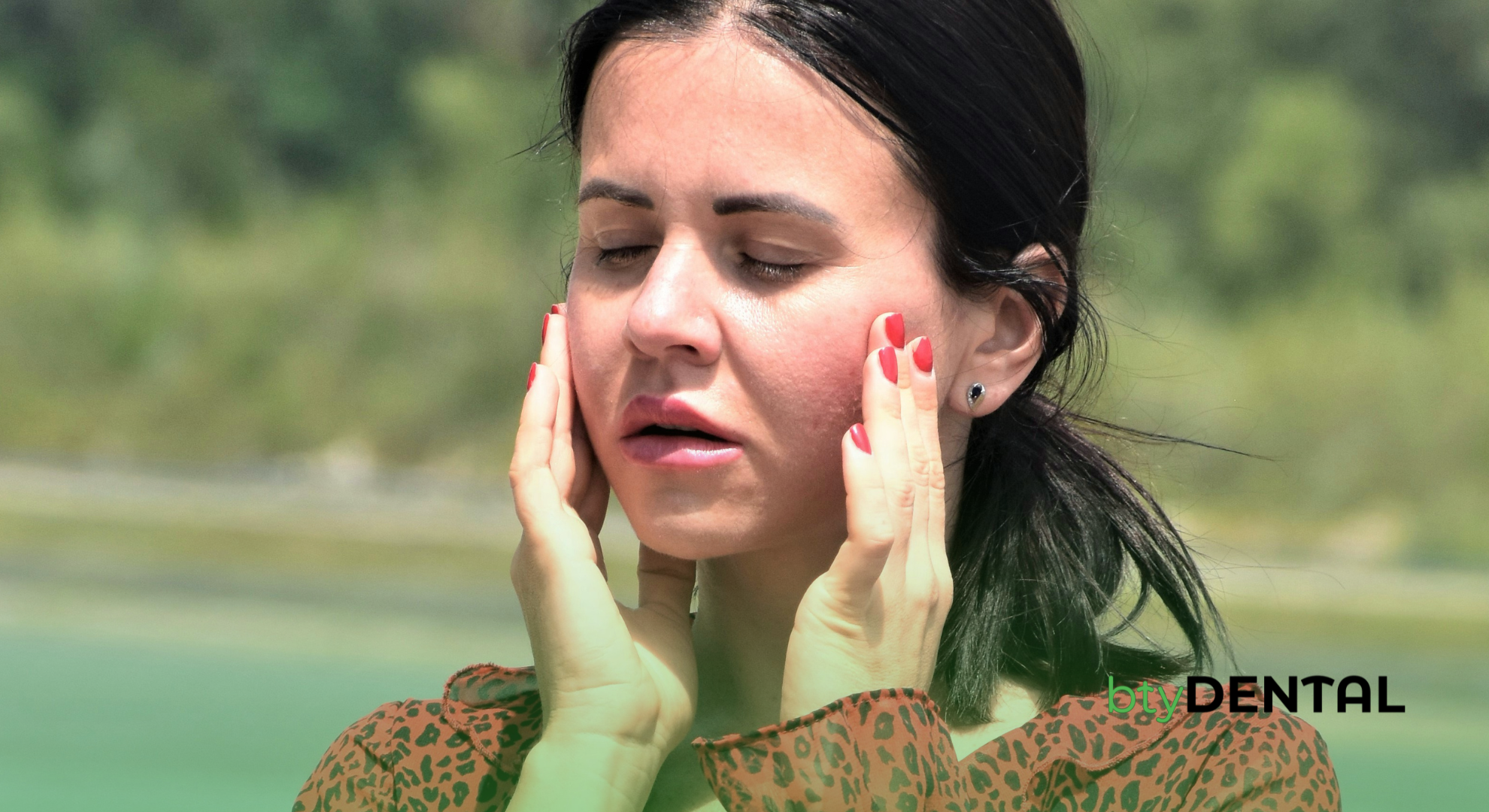
You wake up and your jaw is locked. Again. The pain radiates from your ear down to your neck. You haven’t been able to eat anything chewy in months. Your dentist fitted you for a night guard last year, but you still clench so hard that you cracked it. The clicking when you open your mouth is getting louder. And the headaches? They’re constant.
If this sounds familiar, you’re not alone. TMJ disorder affects millions of people, and many struggle to find lasting relief. You’ve probably tried everything your doctor and dentist recommended. Some treatments helped a little. Most didn’t help at all. And nobody’s talking about surgery because that’s supposed to be the absolute last resort.
But there’s a treatment option you might not have fully explored: Botox. When administered by a trained dentist, Botox can provide real, lasting relief from TMJ pain by addressing the root cause of your symptoms. It’s not experimental. It’s not a gimmick. It’s a proven therapy that’s helped thousands of patients finally get their lives back.
In this guide, you’ll learn exactly how Botox treats TMJ disorder, what the treatment process looks like, what results you can expect, and how to get started in Bellevue.
What is TMJ/TMD?
TMJ stands for temporomandibular joint, which is the hinge connecting your jaw to your skull. TMD stands for temporomandibular disorder, which refers to problems affecting that joint and the muscles around it. Most people use “TMJ” as shorthand for the disorder, even though technically TMJ is just the joint itself.
Your temporomandibular joints are two of the most complex joints in your body. They allow you to move your jaw up and down, side to side, and forward and back. Every time you chew, speak, yawn, or swallow, these joints are working. When something goes wrong with them, it affects nearly everything you do.
TMJ disorder happens when the muscles around your jaw become overactive, the joint itself becomes inflamed, or the disc cushioning the joint shifts out of position. Sometimes it’s caused by injury or arthritis. Often, it develops from chronic teeth grinding or clenching. Stress, poor posture, and even how your teeth fit together can contribute.
Common symptoms include:
- Jaw pain or tenderness, especially when chewing or talking
- Clicking, popping, or grating sounds when you open your mouth
- Jaw that locks open or closed
- Pain that radiates to your neck, shoulders, or ears
- Frequent headaches, especially in the morning
- Difficulty chewing or sudden uncomfortable bite
- Facial swelling
The frustrating part? TMJ disorder often goes misdiagnosed for years. You might see multiple doctors who tell you it’s stress, migraines, or ear infections. By the time you get a proper diagnosis, you’ve been living with chronic pain for months or even years.
And here’s what makes it worse: TMJ creates a vicious cycle. Pain causes you to tense your jaw muscles. Tense muscles create more pain and inflammation. The cycle continues until something breaks it. That’s where Botox comes in.
How Botox Relieves TMJ Pain
Botox treats TMJ disorder by relaxing the overactive muscles that cause your symptoms. When injected into your masseter muscles (the large muscles on the sides of your jaw) and sometimes your temporalis muscles (on the sides of your head), Botox blocks the nerve signals that tell these muscles to contract forcefully.
Think of it this way: your jaw muscles are stuck in overdrive. They’re clenching constantly, even when you’re not aware of it. This creates enormous pressure on your TMJ, leading to inflammation, pain, and damage. Botox turns down the volume on these muscles. They still work, you can still chew and speak normally, but they stop the excessive, painful contractions.
Within a few days of treatment, those muscles begin to relax. The constant tension releases. Your joint gets a break from the pressure. Inflammation decreases. Blood flow improves. And the pain cycle that’s been controlling your life finally breaks.
The treatment doesn’t just mask your pain like medications do. It addresses the actual source: the hyperactive muscles putting stress on your joint. This is why many patients experience relief that lasts months after a single treatment session.
What Makes Botox Different from Other TMJ Treatments
You’ve probably tried other treatments already. Here’s how Botox compares:
Night guards protect your teeth from grinding damage, but they don’t stop your jaw muscles from clenching. You’re still putting the same force on your TMJ. You’re still waking up with pain. The guard just prevents your teeth from cracking under the pressure.
Physical therapy can help by teaching you jaw exercises and improving your posture. It’s valuable and often works well combined with other treatments. But it takes time, requires consistent effort, and doesn’t directly reduce muscle hyperactivity.
Pain medications provide temporary relief, but they come with side effects and don’t address why you’re in pain. You’re managing symptoms, not solving the problem. Plus, you can’t take strong pain medication indefinitely.
Surgery is invasive, expensive, and should truly be a last resort. Recovery takes months. Results aren’t guaranteed. And you can’t undo it if something goes wrong.
Botox targets the overactive muscles directly. It’s minimally invasive (just a few quick injections), works within days, lasts months, and if you’re not satisfied, the effects are temporary. You get real relief without surgery, without daily medications, and without disrupting your life.
For a comprehensive overview of how dental Botox works and what other conditions it treats, check out our complete guide to dental Botox in Bellevue.
Your Botox TMJ Treatment Journey in Bellevue
Getting Botox for TMJ is straightforward. Here’s what happens from your first call to experiencing relief:
Initial Consultation
Your journey starts with a thorough evaluation. Your dentist needs to understand exactly what’s happening with your jaw, what’s causing your pain, and whether Botox is the right solution for you.
During your consultation, your dentist will ask detailed questions about your symptoms. When did the pain start? What makes it better or worse? Have you noticed clicking or locking? What treatments have you tried? How is this affecting your daily life?
They’ll physically examine your jaw, feeling for muscle tension and trigger points. They’ll watch how you open and close your mouth, checking for limited range of motion or asymmetry. They might ask you to clench your teeth so they can feel which muscles are overactive.
This isn’t a quick sales pitch. It’s a medical evaluation. Your dentist is determining if Botox will actually help you or if another treatment would be better. They’ll explain exactly where they’d inject, how many units you’d need, what results to expect, and what it will cost. You’ll leave with a clear treatment plan and realistic expectations.
The Treatment Process
If you decide to move forward, the actual treatment is quick and simple. Most appointments take 15 to 30 minutes from start to finish.
Your dentist will clean the injection sites on both sides of your face. They might mark the specific points where they’ll inject, using your muscle contractions as a guide. For TMJ treatment, you typically receive injections in your masseter muscles on both sides of your jaw. Depending on your symptoms, they might also treat your temporalis muscles.
The number of units varies by person. Most patients need 20 to 50 units per side, depending on muscle size and severity of symptoms. Your dentist determines the exact amount based on your evaluation.
The injections themselves feel like small pinches. The needles are very fine. Each injection takes just seconds. Most patients say it’s far less uncomfortable than they expected. Some describe a slight pressure or stinging sensation that fades immediately.
There’s no anesthesia needed, no incisions, no recovery time. When it’s done, you simply go about your day. Your dentist will give you aftercare instructions, which typically include avoiding lying flat for a few hours, skipping intense exercise for 24 hours, and not rubbing the injection sites.
Recovery and Timeline
Here’s what to expect in the days and weeks after treatment:
Days 1 to 3: You might have slight tenderness or small bruises at injection sites. Your jaw will feel the same as before. Don’t worry, this is normal. Botox needs time to work.
Days 3 to 7: This is when most patients start noticing changes. Your jaw begins to feel less tense. The constant ache starts to fade. You might realize you’re not clenching as much. Some patients feel relief as early as day three, while others need the full week.
Week 2: By now, the Botox has taken full effect. Your muscles have relaxed to their new, comfortable state. This is when you’ll notice the biggest difference. The clicking might be gone. Your headaches have reduced or disappeared. You can chew without pain. You wake up without that locked feeling.
Months 1 to 3: These are your peak relief months. Your TMJ is getting the rest it needs. Inflammation decreases. You’re eating foods you’d given up on. You’re sleeping better. Your quality of life improves significantly.
Months 3 to 6: Results last anywhere from three to six months, depending on your body. As the Botox gradually wears off, you’ll notice symptoms slowly returning. This is when you schedule your next treatment to maintain relief.
Long-term Management
TMJ Botox isn’t a one-time cure. It’s a management strategy. Most patients schedule treatments every three to four months to maintain consistent relief.
The good news? Many people find that over time, they can extend the intervals between treatments. As your jaw muscles learn to relax and your joint heals, the hyperactivity sometimes decreases. Some patients eventually need treatments just twice a year.
You can also combine Botox with other therapies for even better results. Many patients use Botox for muscle relaxation while continuing with physical therapy, stress management, or wearing a night guard. This comprehensive approach often provides the best long-term outcome.
TMJ Relief Results You Can Expect
Let’s talk about real results. Not marketing hype, but what actually happens when you get Botox for TMJ.
Studies show that 70 to 90 percent of patients experience significant pain reduction after Botox treatment for TMJ. That’s a high success rate for any medical intervention. Many patients report that their pain decreases by 50 percent or more. Some achieve complete relief.
But it’s not just about pain scores. It’s about what you can do again. Patients tell us they can eat crunchy foods without wincing. They can laugh without their jaw clicking. They sleep through the night instead of waking up from pain. They don’t need a heating pad on their face every morning.
The functional improvements matter just as much as pain reduction. Your jaw opens wider. The locking stops. Your range of motion improves. You can chew normally on both sides. Talking on the phone doesn’t hurt anymore.
Your quality of life changes. You’re not irritable from constant pain. You can focus at work. You don’t cancel plans because your jaw hurts too much. You feel like yourself again.
Results appear gradually over one to two weeks, reaching their peak effect around week two. From there, you have months of relief. When the Botox wears off, symptoms return slowly, not all at once. This gives you time to schedule your next treatment before you’re back to square one.
It’s important to have realistic expectations. Botox might not eliminate 100 percent of your pain, especially if you have severe TMJ or structural issues with your joint. But for most patients, the relief is substantial enough to be life-changing.
Stop Living with TMJ Pain
You don’t have to accept chronic jaw pain as part of your life. You don’t have to avoid certain foods, wake up with headaches, or feel your jaw click with every word you speak. Relief is possible, and it might be simpler than you think.
Botox has helped thousands of TMJ patients in Bellevue and beyond find lasting relief from symptoms that other treatments couldn’t touch. It’s safe, effective, minimally invasive, and provides months of improvement from a single treatment session.
The first step is understanding whether it’s right for you. A consultation with an experienced dentist will give you clear answers about what to expect, how much it will cost, and whether Botox can provide the relief you’re looking for.
You’ve lived with this pain long enough. It’s time to explore a solution that actually works.
For more information about all the applications of dental Botox and how it’s helping patients throughout our area, visit our comprehensive Bellevue dental Botox guide.
