
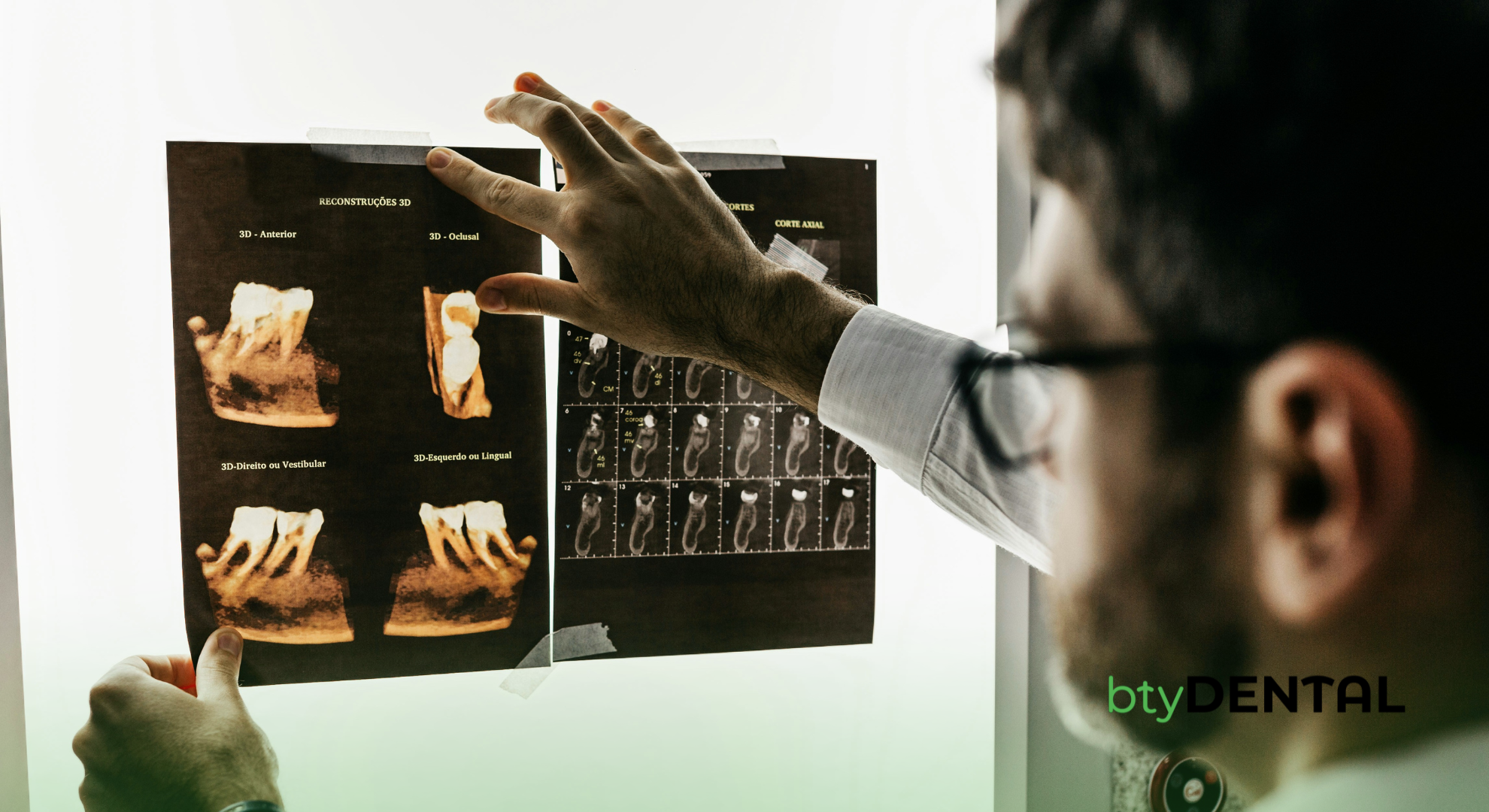
Many adults in Lynnwood still have their wisdom teeth and feel fine, until a spot gets sore after a cold drink. Third molars are like a quiet roommate who keeps to themselves until they do not. But, contrary to popular belief, not every wisdom tooth needs surgery.
Some can be monitored with cleanings, X-rays, and a simple home routine. Others should come out when there is pain, swelling, decay, gum pockets, or a cyst. This guide gives you a quick checklist and answers to your most pressing questions.
When Do You See a Dentist About a Wisdom Tooth Extraction?
It’s kind of unfair to think about, but other people just let their wisdom teeth grow and don’t have any issues. However, any kind of pain in your tooth is not normal. If you feel a sudden, unbearable pain in your teeth, it’s best to go to an emergency dentist in Lynnwood.
See an Emergency Dentist if You Experience the Following
btyDENTAL Lynnwood accepts walks-ins, especially if patients need emergency dental care. If you’re feeling any of the following, don’t hesitate to visit our office for a same-day-appointment:
- Severe pain with facial swelling or fever
- Trouble swallowing or opening your mouth
- Ongoing bleeding after a recent eruption or injury
Schedule an Appointment ASAP if You Feel
Check if your wisdom tooth hurts, swells, or tastes bad, that is a sign to book a visit soon. If pain isn’t present, a dental exam and X-rays can confirm you are safe to monitor. But if you notice any of the following signs, it’s best to book an appointment as soon as possible:
- Pain, swelling, or tenderness behind the second molar
- Gum flaps that trap food or bleed when brushing
- Bad taste, odor, or drainage from the area
- Chips, cracks, or biting your cheek near the tooth
- Decay on the wisdom tooth or the back of the second molar
How Wisdom Teeth Behave in Adults
Wisdom teeth live at the back of a crowded cul de sac. Space is tight, so they often tilt, stay partly covered by gum, or stay trapped in bone. Problems can show up years after the teens. Here are common wisdom teeth positions that cause our Lynnwood patients the most trouble:
Fully Erupted and In Line
These third molars sit upright and bite normally. They are usually good candidates for monitoring if you can brush and floss them well. Watch for small cavities, crowding at the back, or gum irritation, and keep regular checks with updated images as needed.
Partially Erupted with a Gum Hood
Part of the tooth shows and a flap of gum covers the rest. That flap traps food and bacteria, which can cause soreness, swelling, or a bad taste. Daily cleaning with a gentle brush or irrigator helps, but repeated flare-ups, decay, or deep pockets are signs it is safer to remove.
Horizontally or Diagonally Impacted in Bone
The tooth is tilted or lying on its side under the gums. It may be painless yet press on the second molar, start decay on its back surface, or form a cyst you only see on X-rays. Decisions here rely on imaging and risk: some cases can be monitored, while others need removal or a coronectomy to protect nearby nerves.
Why Quiet Wisdom Teeth Become a Problem Later
In some cases, wisdom teeth grow without any pain or issues. Then suddenly, the pain becomes unbearable. That’s a common occurrence that we see in our Lynnwood office. The main reasons why that happens come in the form of the following:
Food Gets Stuck Under a Gum Hood and Starts an Infection
A gum hood is a small flap of tissue that partially covers a wisdom tooth. Food and bacteria slip under it and are hard to flush out, which can lead to pericoronitis. You may feel soreness, swelling, or a bad taste.
The Brushing Angle is Poor So Decay Starts Quietly
Wisdom teeth sit far back and often tilt. The angle makes brushing and flossing difficult, so plaque lingers and cavities begin without obvious pain. Decay can spread before you notice it. To fix this issue, try to:
- Make cleaning easier
- Use a small-head brush and short strokes
- Add floss picks or superfloss for the back corner
- Consider fluoride rinse at night for added protection
The Second Molar can Develop Distal Cavities or Deep Pockets
A partially erupted or impacted wisdom tooth can press against the back of the second molar. That contact traps plaque on the distal surface and can cause decay or gum pockets. Over time, bone can recede and the second molar may loosen. Here’s what to watch out for:
- Food packing behind the second molar
- Bleeding when brushing the back corner
- Bad breath that returns quickly after cleaning
Risks of Removal vs Risks of Keeping Wisdom Teeth
Every option carries tradeoffs. The goal is to reduce future trouble with the least disruption now. So if you’re on the fence about getting your wisdom teeth removed or removing them, here’s what you need to consider:
Risks of Removing Wisdom Teeth
- Pain, swelling, or bruising for a few days: Soreness and puffiness are common for two to three days, often peaking on day two. Use cold compresses, keep your head elevated, and stick to soft foods. Call if pain or swelling worsens after day three.
- Dry socket or local infection: A dry socket happens when the blood clot is lost, causing a deep ache and bad taste. Avoid straws, smoking, and forceful rinsing to lower the risk. If it occurs, a quick in-office dressing usually brings relief.
- Nerve irritation or sinus issues in select cases: Lower wisdom teeth can irritate the lip and chin nerve, leading to temporary tingling. Upper teeth near the sinus may cause mild pressure or congestion.
Risks of Keeping Wisdom Teeth
- Recurrent gum flare-ups around a gum hood: A gum hood over a partially erupted wisdom tooth traps food and bacteria, causing repeat pericoronitis. Rinses and gentle cleaning can settle a flare, but the flap often keeps the cycle going. If infections return, removing the tooth lowers risk and protects nearby teeth.
- Decay in the wisdom tooth or the back of the second molar: Tight angles and limited access make these areas prone to cavities. Small lesions can spread quietly and may be hard to restore long term. If decay recurs, extraction helps preserve the second molar.
- Deep pockets, bone loss, or a cyst that stays silent for months: Gum pockets and cysts can develop without symptoms and only show on X-rays or CBCT. Left alone, they can damage bone and the tooth in front.
How to Decide the Best Course of Action
Choose removal if there is repeated infection, damage to the second molar, a cyst on imaging, or cleaning access that never improves. Choose monitoring if the teeth are quiet, disease-free, and you can keep the area clean without trapping food.
Looking to Get Your Wisdom Tooth Removed in Lynnwood?
To recap, not every wisdom tooth needs surgery. The best approach to dealing with a wisdom tooth is to get a quick exam, imaging, and insights from your local dentist.
btyDENTAL makes visits clear, fast, and convenient. We accept Apple Health and most PPOs, verify benefits for you, and give estimates before anything starts. Book online or call to schedule your wisdom-teeth check at btyDENTAL Lynnwood today!
